— Donate
Donate to Keep the Stand With Meg Public Record Online
Stand With Meg is a family court and child welfare documentation project built from family-submitted reports. Donations help keep the Family Rights Registry, public report, court actor registry, state reports, and public documentation tools online, searchable, and free for families.
Choose monthly on PayPal if you can. Recurring support keeps the work stable.
PayPal and major cards accepted. Worldwide donors welcome — works in 200+ countries. Recurring monthly donations supported. Donations are not tax-deductible at this time.
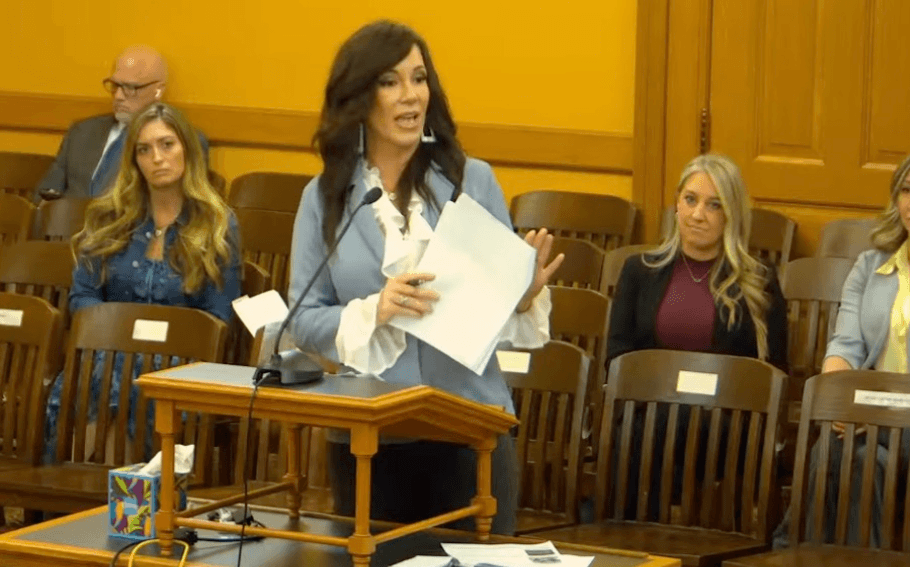
Built and Monitored by Meg
Stand With Meg is not a passive website. It is a public documentation system for family court reform, child welfare reform, and CPS accountability that requires daily monitoring, updates, data review, report generation, technical maintenance, and careful publication decisions.
Meg has personally spent thousands of hours building, maintaining, monitoring, organizing, and publishing this work — often while families are actively searching for proof, language, and public documentation about what is happening to them in custody court, CPS cases, and child welfare proceedings.
The project carries real ongoing costs: hosting, database tools, email tools, data processing, reporting, security, design, software, automation, research, and the public records and documentation work that turns family-submitted reports into a citable record on family court data, parental rights, and due process.
What your donation supports
Every line item below exists because a family is using it. Donations fund the Family Rights Registry, court actor registry, state family court reports, the public report, and the family-submitted reports infrastructure behind all of it.
Family Rights Registry intake and public reporting
Secure intake of family-submitted reports, identifiability and third-party privacy review, and the public-facing infrastructure that turns those reports into a documented family court and child welfare record.
Public report and family court data pages
The live public report at my.standwithmeg.com/report, family court data pages, and the engineering work that keeps aggregate counts, state filters, and cross-jurisdiction views accurate as new reports come in.
Court actor registry and repeated-pattern tracking
The court actor registry, repeated-pattern tracking, and the threshold logic that surfaces names only after enough independent families have named the same judge, attorney, guardian ad litem, custody evaluator, CPS worker, therapist, or mediator.
State reports and location-based reporting
State family court reports, county-level breakdowns, and location-based reporting that families, journalists, and legislators can cite directly when raising due process and CPS accountability concerns.
Hosting, database, email, software, automation, and security
Web and database hosting, transactional email, document storage, data processing pipelines, security tooling, automation, design, and the licensed software that keeps the project running around the clock.
Review and organization of family-submitted reports
Hours of careful review, organization, and publication decisions on every family-submitted report — verifying internal consistency, protecting reporters, and respecting the people named in the record.
Keeping access free for families
Families should not have to pay to read the registry, submit a report, or pull a state report. Donations are what keeps every part of this public record free to read and free to submit.
What families say when they find the record
The registry is not only data. It gives families language, pattern recognition, and a public place to point when they are told their experience is isolated.
“I thought I was the only one until I saw other families reporting the same patterns.”
“The report gave me language for what I had been trying to explain for years.”
“We need a public record because private pain keeps getting dismissed.”
Representative family-submitted sentiments. Not attached to real names. Not presented as verified legal findings.
Why monthly support helps most
Monthly donations make the project sustainable. They cover the recurring tools the registry runs on and give the work a predictable base, so the Family Rights Registry, public report, state reports, and court actor records can stay online, updated, and searchable for families.
Even small monthly donations help keep the public record alive. A recurring contribution of any size is the most direct way to support family court accountability, guardian ad litem accountability, and custody evaluator accountability over the long run.
Start Monthly Support →On the PayPal donation page, select the monthly option to set up a recurring contribution. You can change or cancel it at any time.
One-time support also helps
One-time donations help cover urgent costs, reporting work, development pushes, and publication of new state family court reports and court actor records. They are especially useful when a new state crosses the public-reporting threshold or when a documentation push is in front of journalists, legislators, or families searching for answers.
Make a One-Time Donation →A public record, kept public
Families should not have to pay to prove they are not alone.
The Family Rights Registry, the court actor registry, the public report, and the state reports exist so that family-submitted reports, repeated patterns, and government separation cases stay on the record — visible to the next family, the next reporter, and the next legislator who needs them. Your donation helps keep the record public for the next family searching for answers.
Other ways to support the public record
- — Add your case to the Family Rights Registry at my.standwithmeg.com/survey. Every submission makes the pattern harder to dismiss.
- — Send the public report at my.standwithmeg.com/report to one journalist or one legislator working on family court reform or child welfare reform.
- — Share Meg’s story at standwithmeg.com/story with one person who needs to hear it.